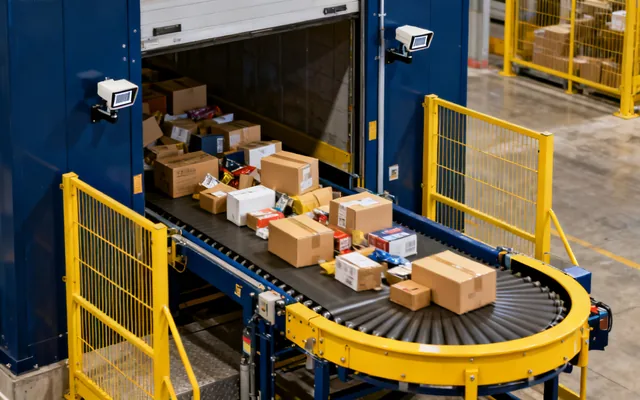
Receive
Inbound transfer & induction
Stabilize carton presentation after unload with belt width, incline limits and induction spacing matched to the peak inbound window.
Start from carton dimensions, belt width, accumulation strategy, merge priority and divert accuracy before comparing platforms. Dorner keeps throughput assumptions, buffer limits, WMS/WCS handshakes and commissioning gates visible from the first workshop through site release.
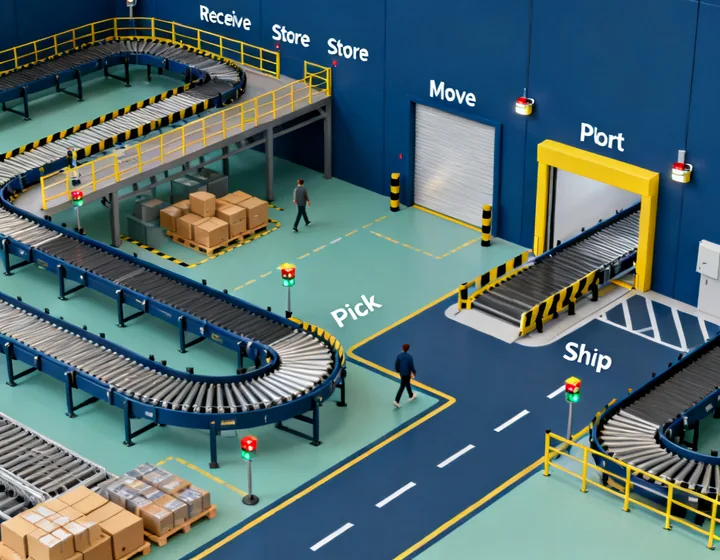
Cards follow Receive → Store → Move → Pick → Sort → Ship so selection stays tied to operating reality, not abstract technology labels.
Stabilize carton presentation after unload with belt width, incline limits and induction spacing matched to the peak inbound window.

Hold inventory without crushing soft packs. Document zero-pressure accumulation length, release logic, buffer occupancy and replenishment assumptions that protect selectivity.
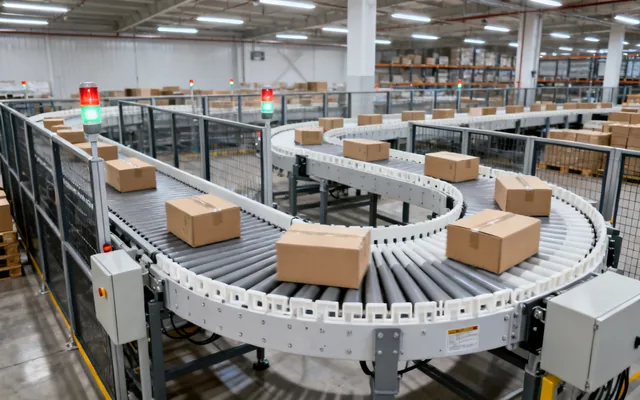
Connect mezzanines, packouts and pallet cells with transfers that respect elevation changes, gap control and pedestrian crossings.
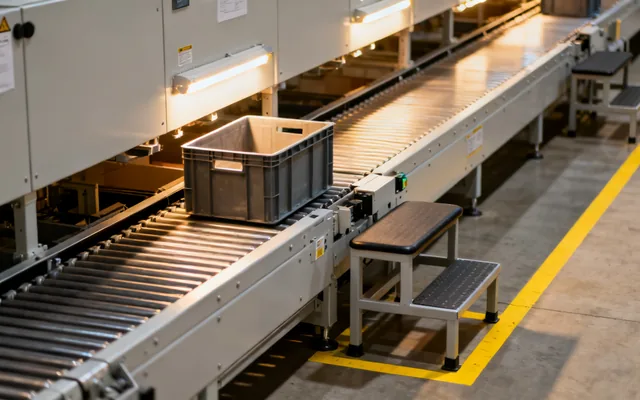
Keep associate pacing honest with SmartPace-style rate control, tote presentation height and exception spurs that do not stall the wave.

Match divert accuracy to SKU depth and lane count. State missort recovery, recirculation length, merge logic and WCS ownership before claiming cartons per hour.
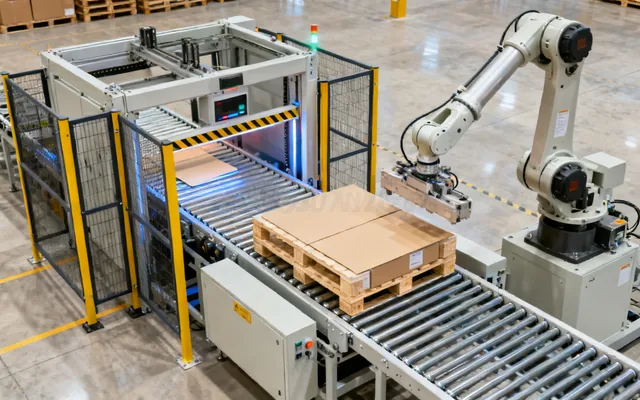
Close the loop with pallet conveyors, stretch-wrap handoffs and dock staging that absorb outbound peaks without blocking upstream merges.

Validate rate against SKU mix, order profile, peak window, accumulation, replenishment and exception recovery. A design rate without those inputs stays a draft, not a commissioning target.
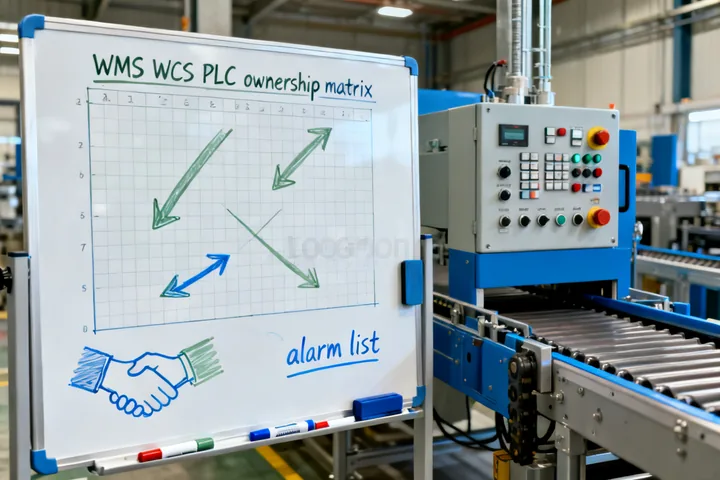
Document WMS, WCS, WES, PLC and fleet-management ownership, handshakes, alarms and FAT/SAT evidence so no team inherits an unspoken interface at go-live.

Keep maintenance access, diagnostics, critical spares and recovery procedures visible before operational handover so uptime protection is not invented after the first jam.
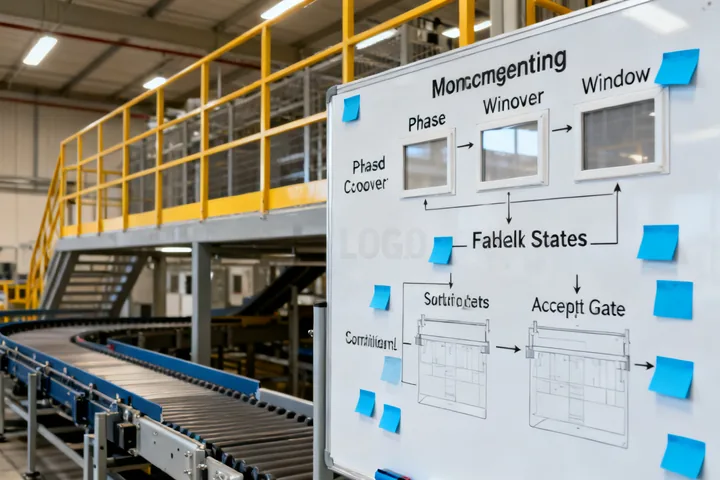
Protect live operations with controlled cutover, fallback states, commissioning windows and measurable acceptance gates. Brownfield sites need staged release, not a single overnight switch.
Planning ranges are project inputs until checked against the selected configuration, site survey and named acceptance tasks. No unreferenced percentage claims.
Throughput targets include order profile, replenishment, buffering and exception recovery assumptions.
Open roadmap noteRepresentative belt, transfer and divert checks defined before equipment leaves the controlled build environment.
See service pathOn-site acceptance uses the same cartons, peaks and interface cases that will run during outbound windows.
Review SAT scopeCritical spares, diagnostics access and fallback states stay documented with the operating handover pack.
Request support mapEach vertical changes SKU depth, peak factor and load-unit mix. Open the full industries page for comparison tables and acceptance focus.
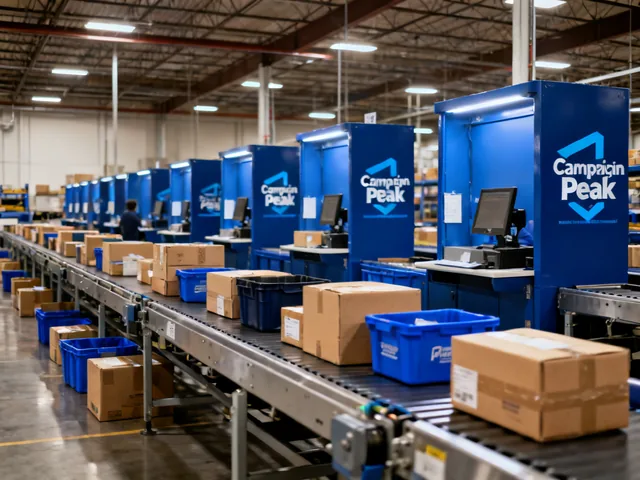
High SKU count, low line depth and promotional waves that stress accumulation length and missort recovery.
Compare profiles →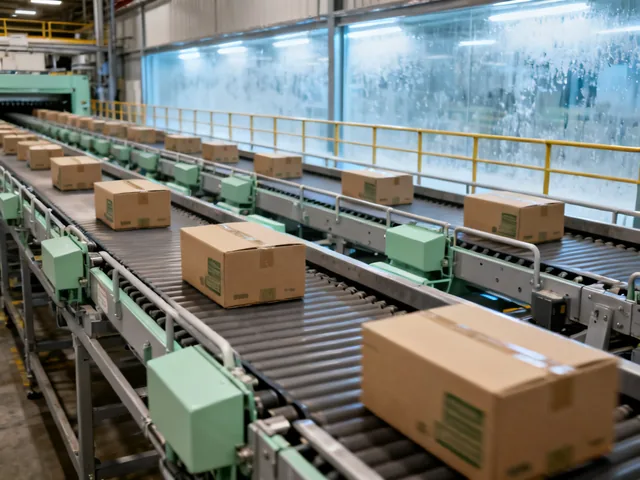
Store replenishment peaks, mixed case sizes and temperature-banded zones that compress buffer dwell time.
Compare profiles →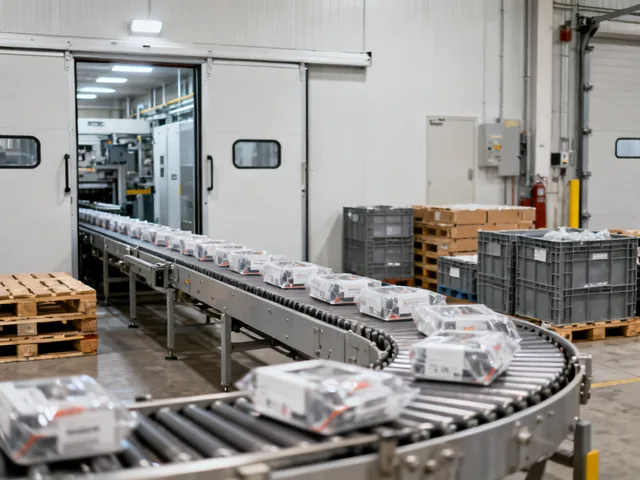
Sequenced kits and changeover bursts where a blocked merge can starve a production cell within minutes.
Compare profiles →Share the operating evidence early so application review can separate must-have constraints from nice-to-have preferences. Submitted figures remain project inputs until validated against survey and configuration.
Open the contact desk