+1-800-397-8664 · share load, SKU and peak data for a clearer conveyor path EN
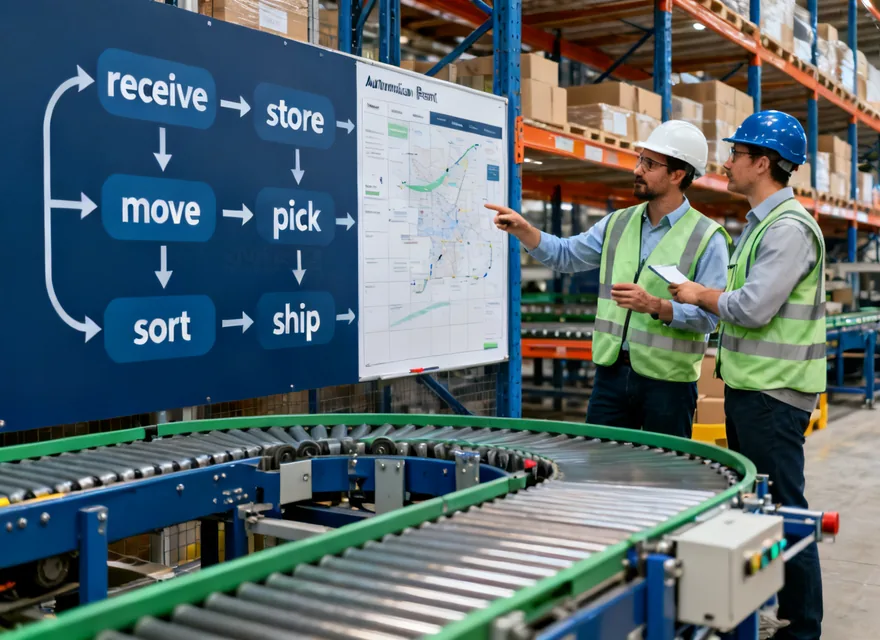
Warehouse flow study board for Dorner automation roadmap
Phased commissioning guide

Dorner Automation Roadmap from flow study and SKU data to commissioning

A practical sequence for teams that need conveyors, sortation or WCS releases without gambling a weekend cutover. Each phase ends with evidence you can challenge, not a slide of aspirational icons.

Why a Dorner roadmap beats a single purchase event

Warehouse automation fails quietly when SKU data, peak windows, buffering and exception recovery are missing from the first rate conversation. Dorner treats the roadmap as a series of decision gates: understand the flow, freeze the governing load cases, name interface owners, prove tasks in FAT/SAT, then release stages that protect live outbound waves.

“Commissioning is not a celebration date. It is a set of measurable gates with fallback states.”

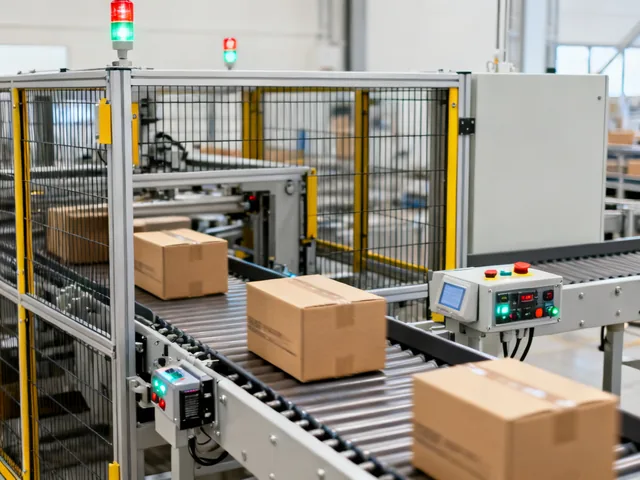
Conveyors remain central even when AMRs appear later. Belt width, accumulation length and divert accuracy still decide whether a robot path can share the same node. The roadmap keeps those conveyor facts visible while WMS/WCS/PLC boundaries are documented, so no team inherits an unspoken assumption at go-live.

Limits we disclose before phase gates move

  • Catalog rate without a stated SKU mix and zero-pressure accumulation strategy is not decision-ready.
  • Design rate without buffer occupancy limits and exception recovery is treated as a draft, not a commitment.
  • Shared AMR routes without a fleet management system and conveyor ownership matrix remain an open risk.
  • Certificate logos appear only when issuer, scope and a current document exist for the exact configuration.
  • Greenfield layouts can optimize elevation and merge logic in one pass; brownfield cutovers must protect live outbound waves with staged release and fallback states.
  • Centralized WCS optimization and modular PLC control each need an explicit handshake list before FAT tasks are written.

Phase tips you can expand with your Dorner project team

Map receive, store, move, pick, sort and ship. Capture SKU depth, order profile, replenishment, buffers and the exception path that recovers a failed divert or damaged carton. Throughput language without these inputs is not ready for conveyor selection.

Freeze governing loads with mass, dimensions and orientation. Measure elevations, transfers, floor joints, mezzanine clearances and dock interfaces. Accumulation length at the peak window becomes a gate, not a brochure footnote.

Name WMS, WCS, PLC and fleet-manager responsibilities. Define conveyor release points versus AMR scanner fields, charging access and exception handling. Shared nodes without owners are treated as an open risk, not a design.

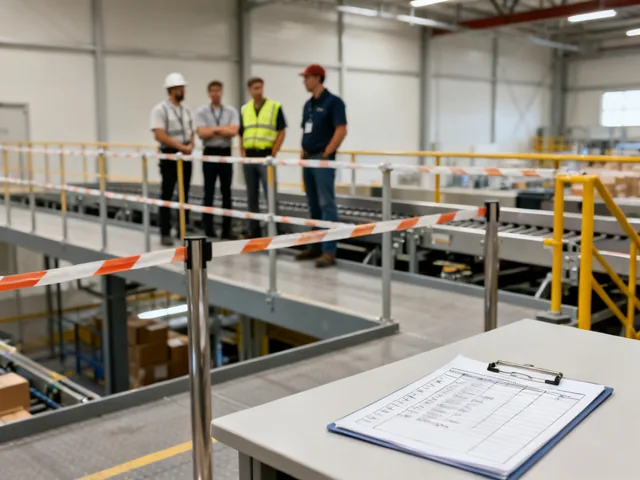
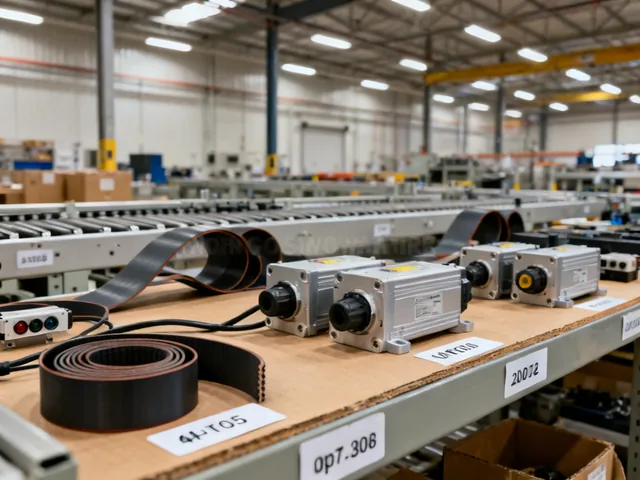
Write factory and site acceptance tasks using the same cartons and peaks that will run in production. Release stages with fallback states, spare-parts visibility and commissioning windows that protect peak outbound periods.
Request a roadmap workshop

Share the phase where Dorner should start

Tell us whether you need a flow study, interface matrix, FAT outline or cutover plan. Include SKU profile, peak window and the systems that must stay live during commissioning.